
Learn about Legulie Scarves
Legulie scarves are designed as everyday objects with character. Each piece begins as a pattern or artwork, then takes shape through thoughtful choices of material, finish, and structure — influencing how the scarf feels, moves, and adapts to different seasons.
This page offers an overview of those choices. It highlights what to consider when choosing a scarf, and explains the materials and finishing details used across the Legulie collection.
Patterns & Inspiration
Legulie scarves feature a wide range of patterns inspired by watercolor, mixed-media art, and digital drawings. The current collection includes over 30 original designs, developed as part of an ongoing visual exploration.
Some motifs are intuitive and expressive, others more graphic and structured, but all are created with the idea that a scarf can function both as a wearable object and an artwork. You can explore selected motifs and read their stories on this page.
Choosing a Scarf
Although a scarf is, in essence, a simple square of fabric, small details can significantly influence how it looks and wears. Beyond seasonality, factors such as material, finish, and structure shape the overall experience.
The sections below outline the elements I consider most important when designing and choosing a scarf, with examples illustrating how these choices translate into different textures and uses.
Materials & Fabrics
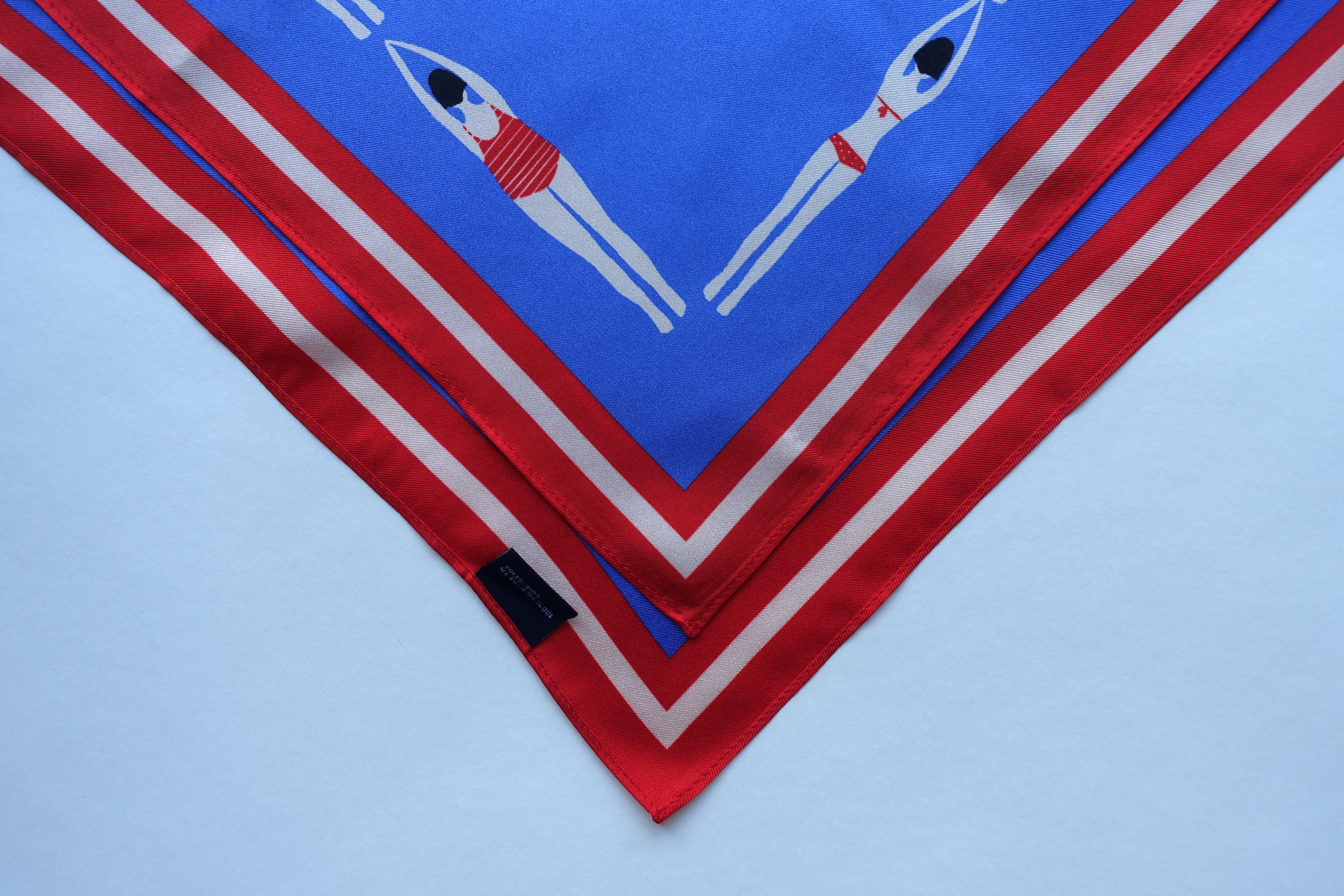
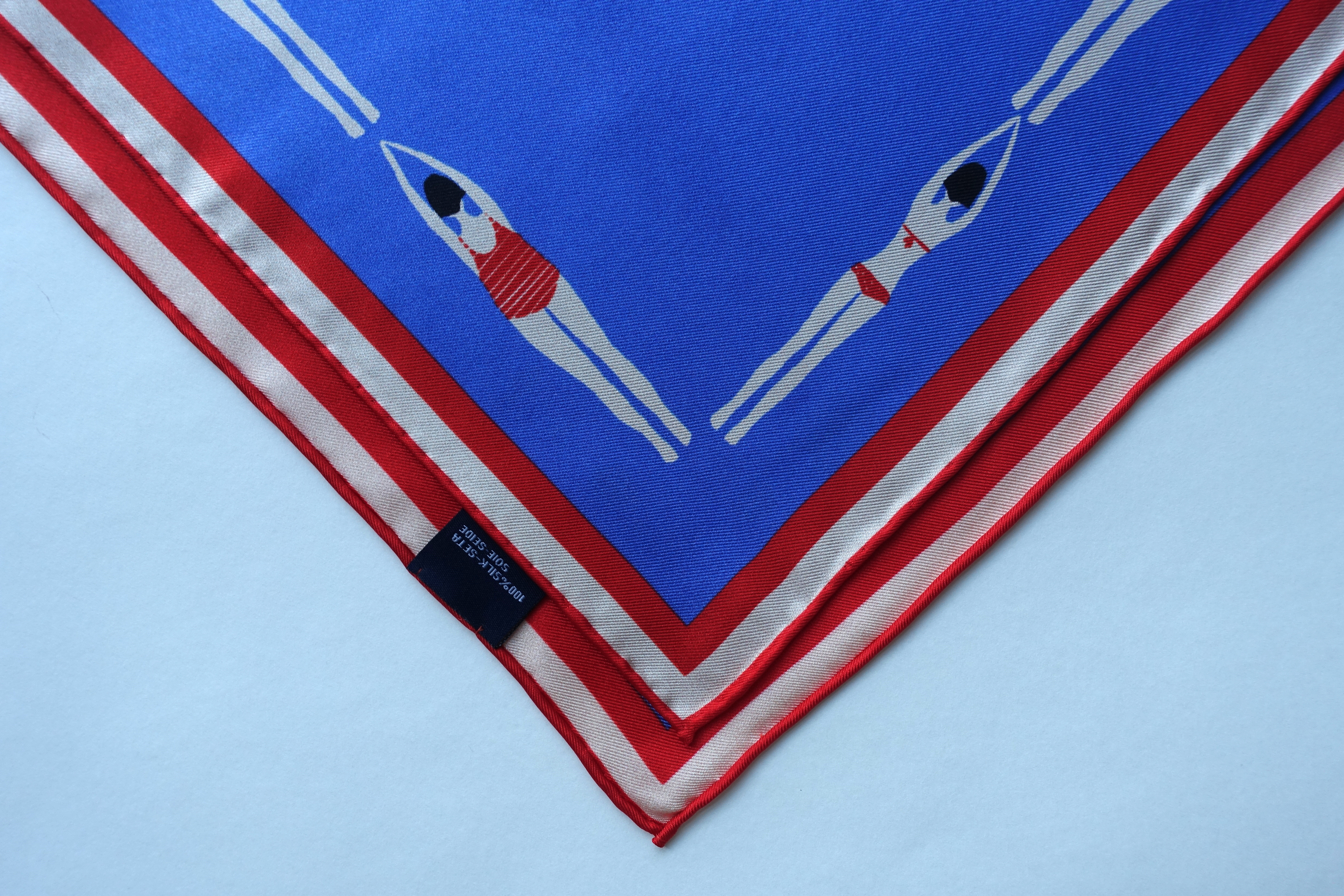
The primary material used for Legulie scarves is mulberry silk twill — 14 momme (mm) for single-sided prints and 16 mm for double-sided designs. This fabric is valued for its durability, soft texture, and ability to hold colour and pattern with clarity.
To suit different seasons and preferences, the collection also includes silk-wool blends (30–70%), pure wool, cotton, and selected designs in silk chiffon. Wool and silk-wool scarves are particularly suitable for cooler months, offering warmth, structure, and shape retention. For warmer weather, silk chiffon provides a light, airy drape, while cotton scarves are breathable, practical, and less delicate — well suited for travel or time spent outdoors.
Mulberry Silk Twill (14–16 mm). Smooth and durable silk with a soft sheen and clear print definition. Suitable for year-round wear and detailed patterns.
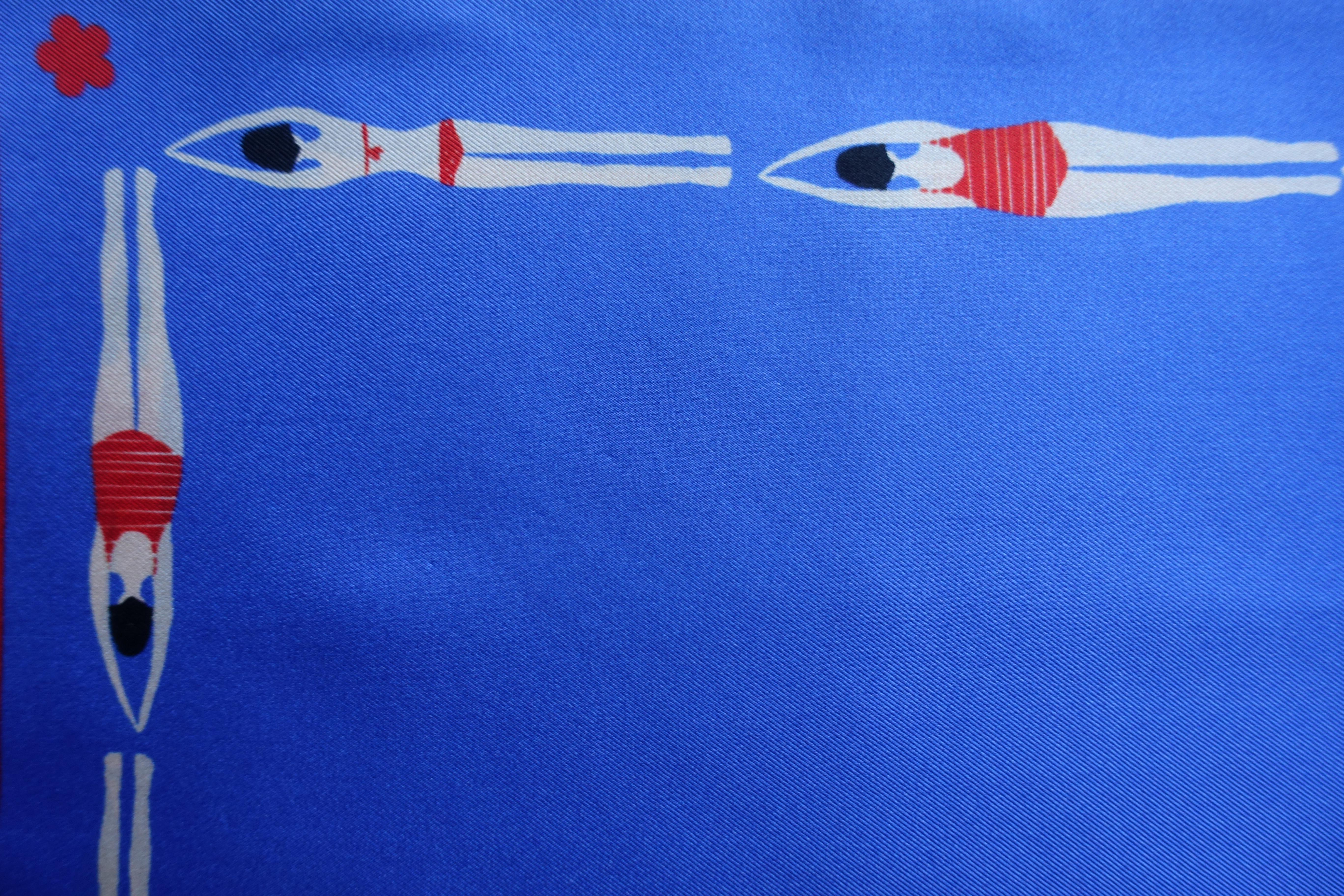
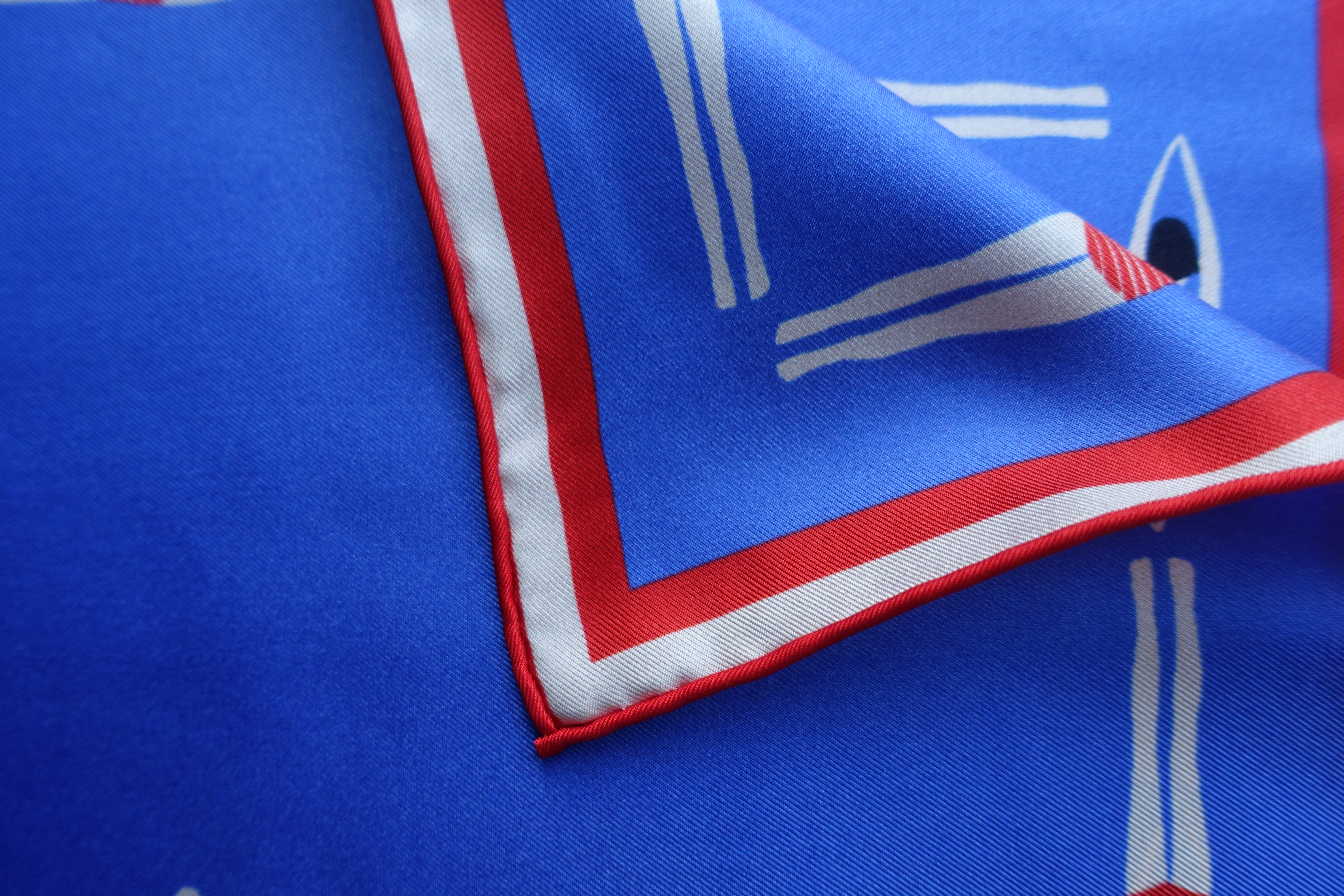
Silk-Wool Blend (30–70%). Warm, structured, and less fluid than silk. Holds its shape well and is ideal for cooler seasons.
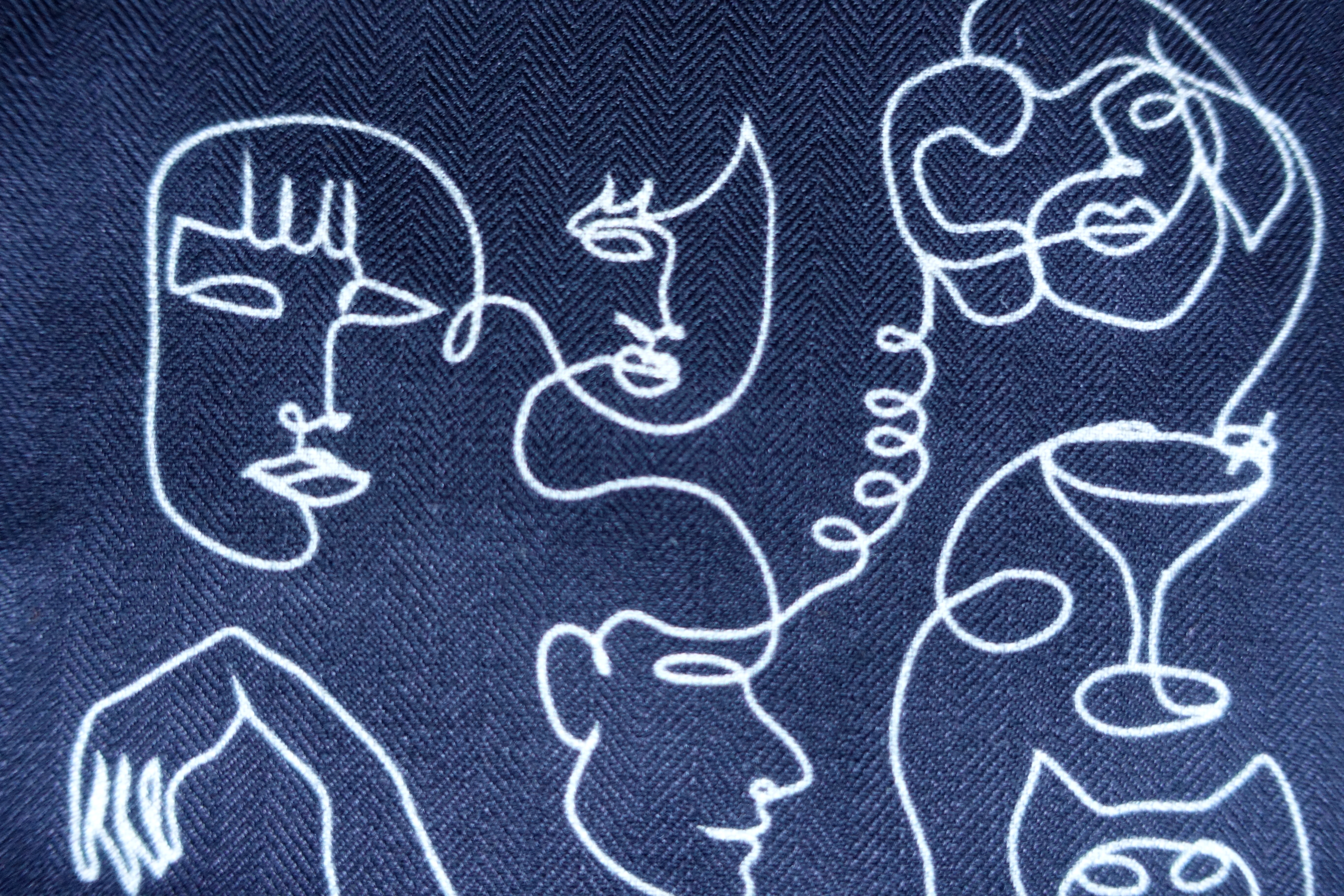
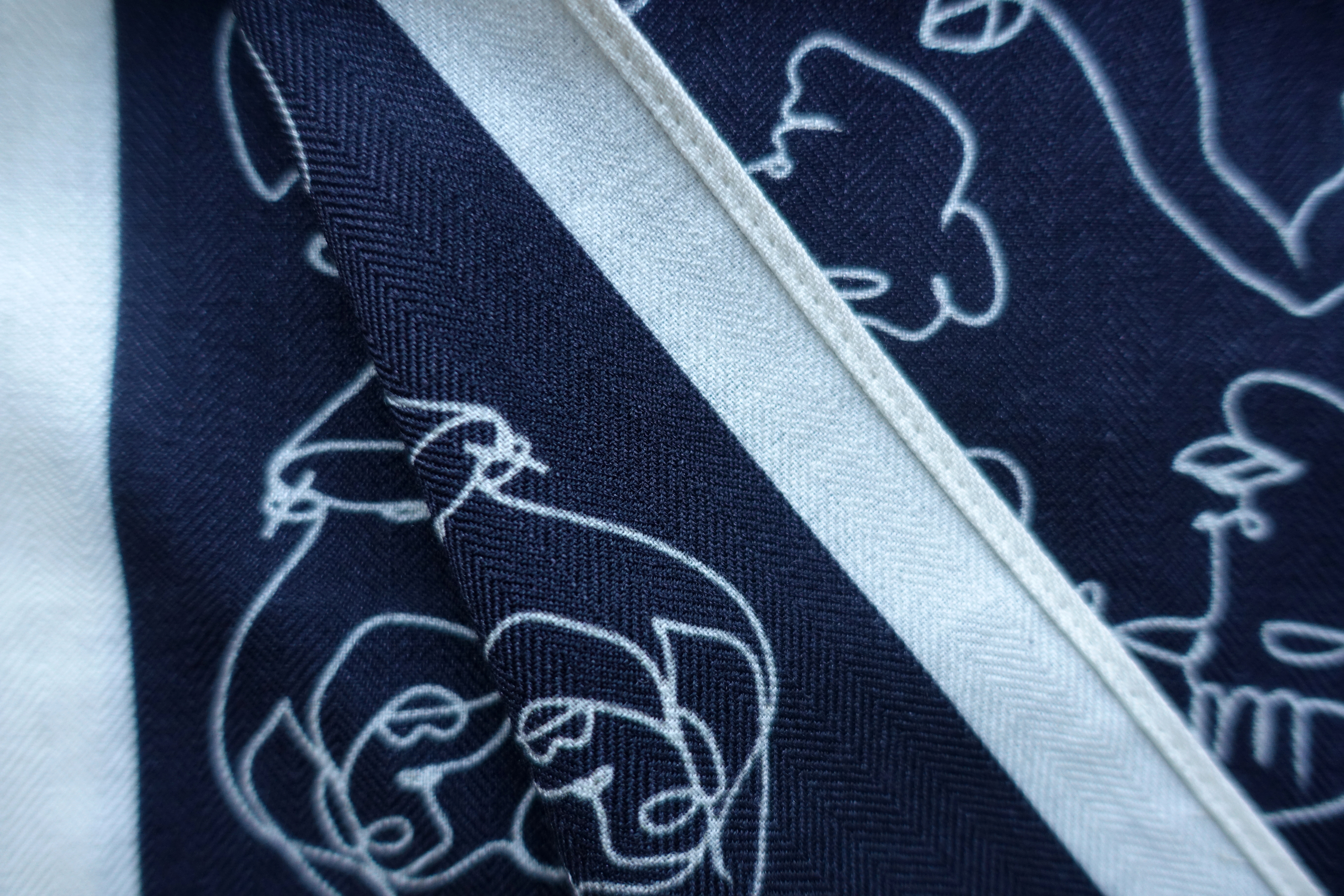
Pure Wool. Soft and insulating with a matte surface. Designed for warmth and everyday winter wear.
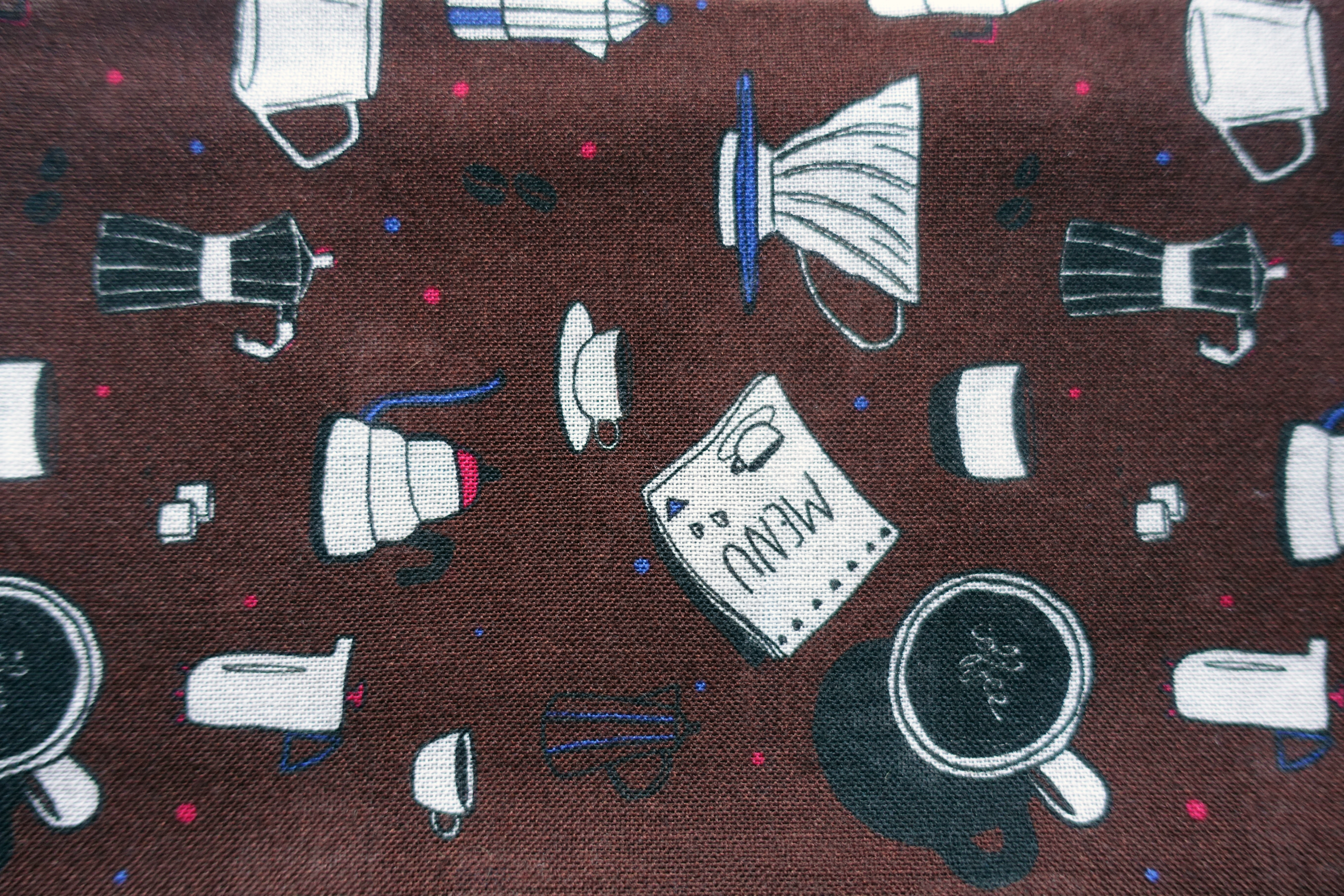
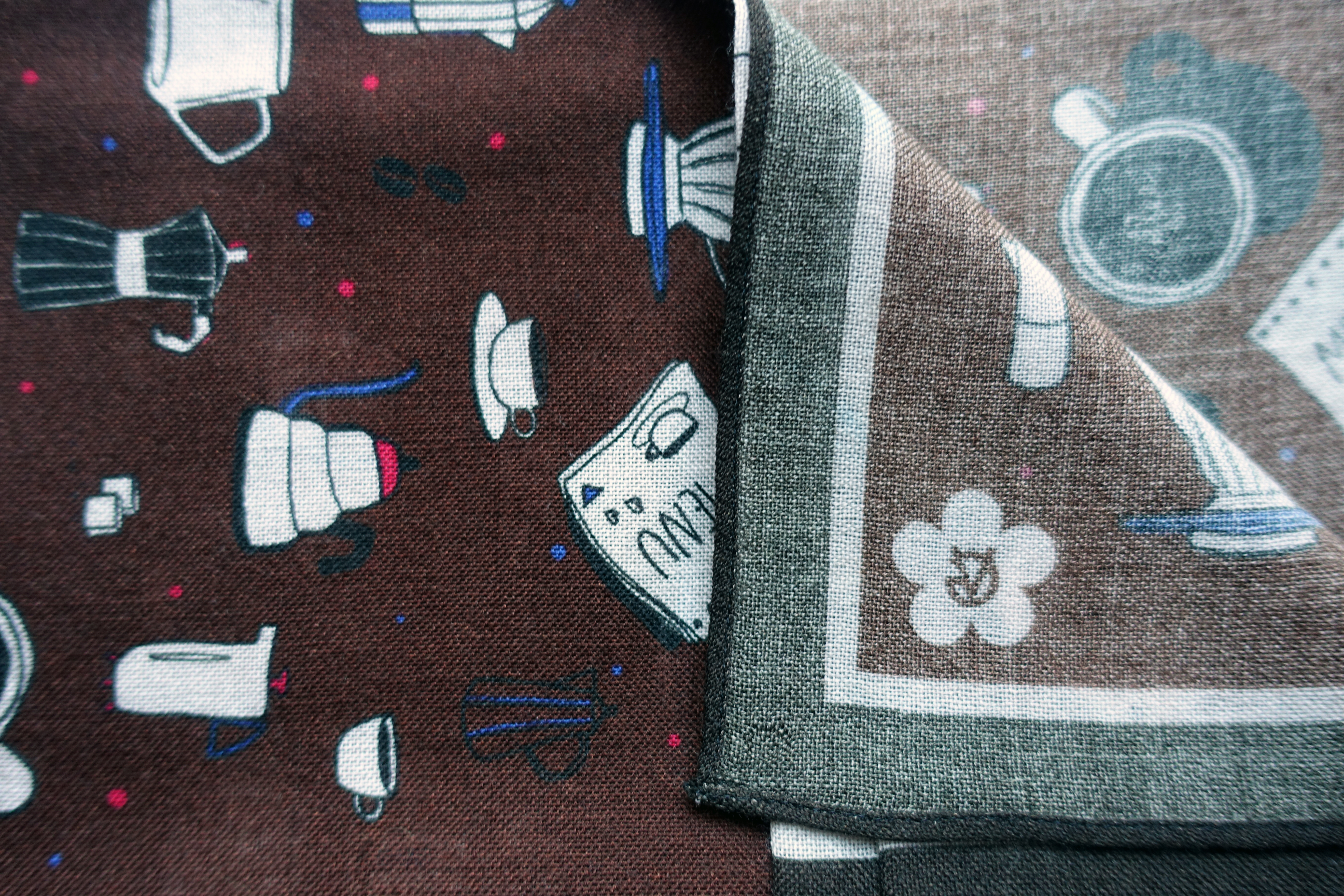
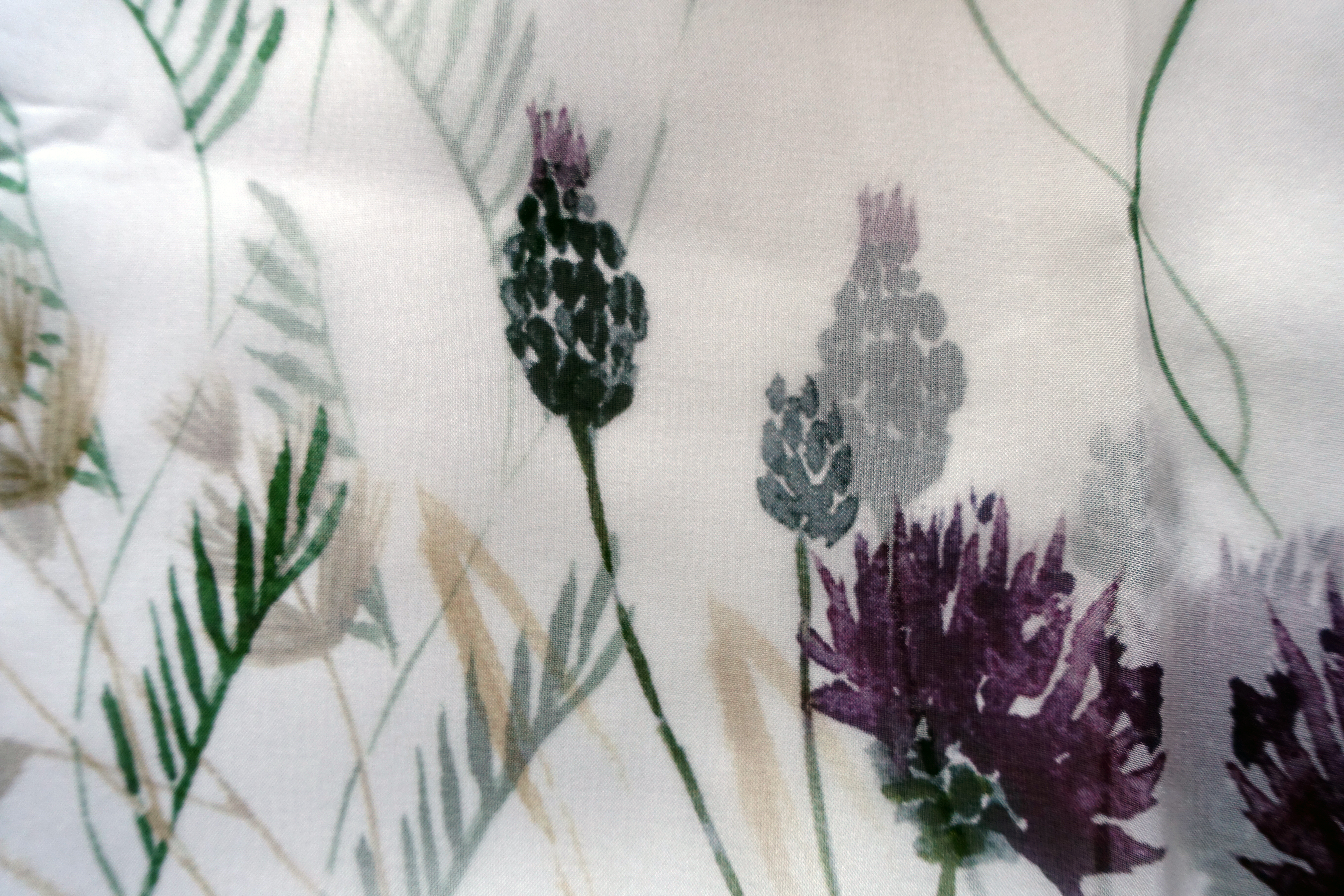
Silk Chiffon. Lightweight and airy with a soft drape. Best suited for warm weather and delicate, summery designs.

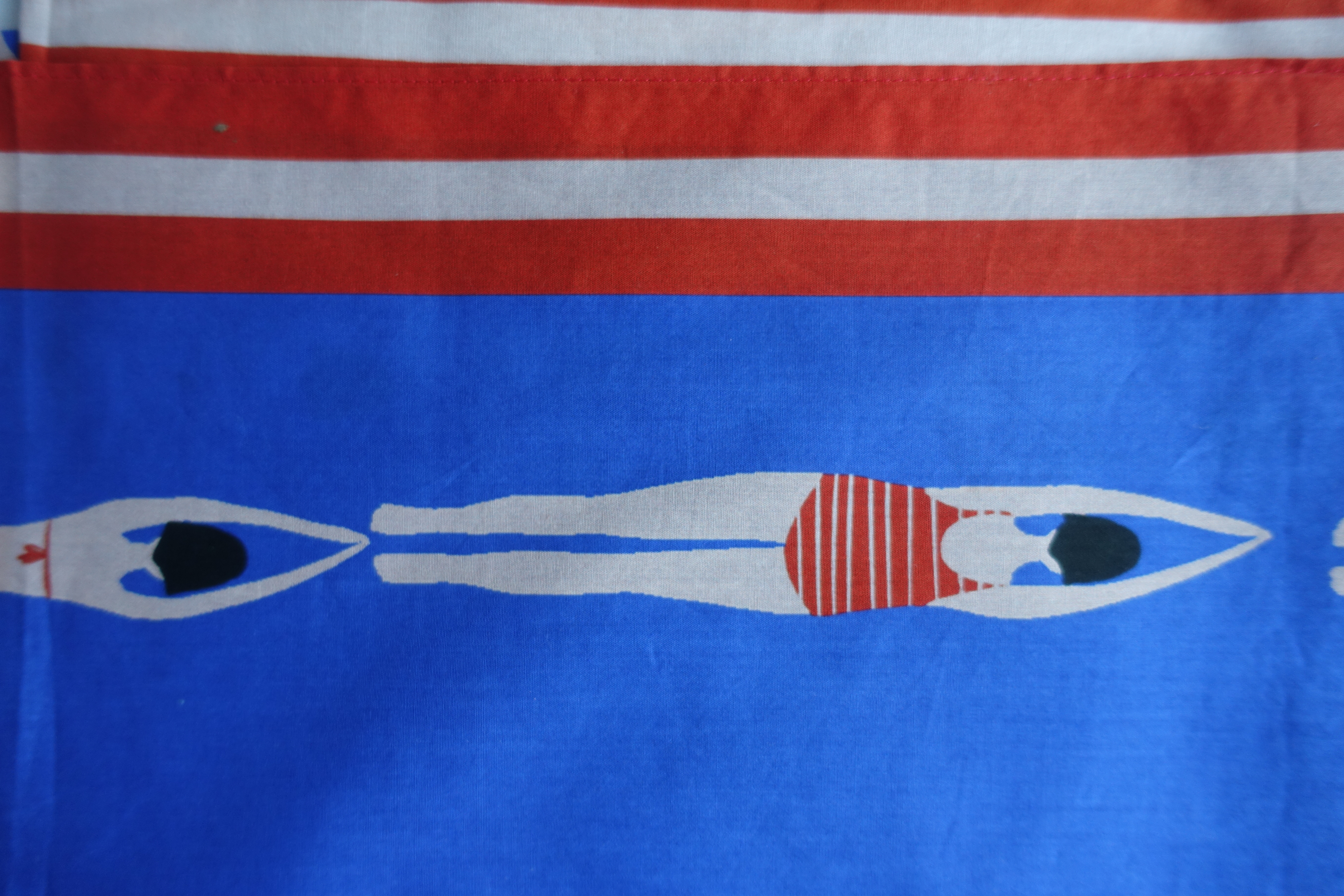
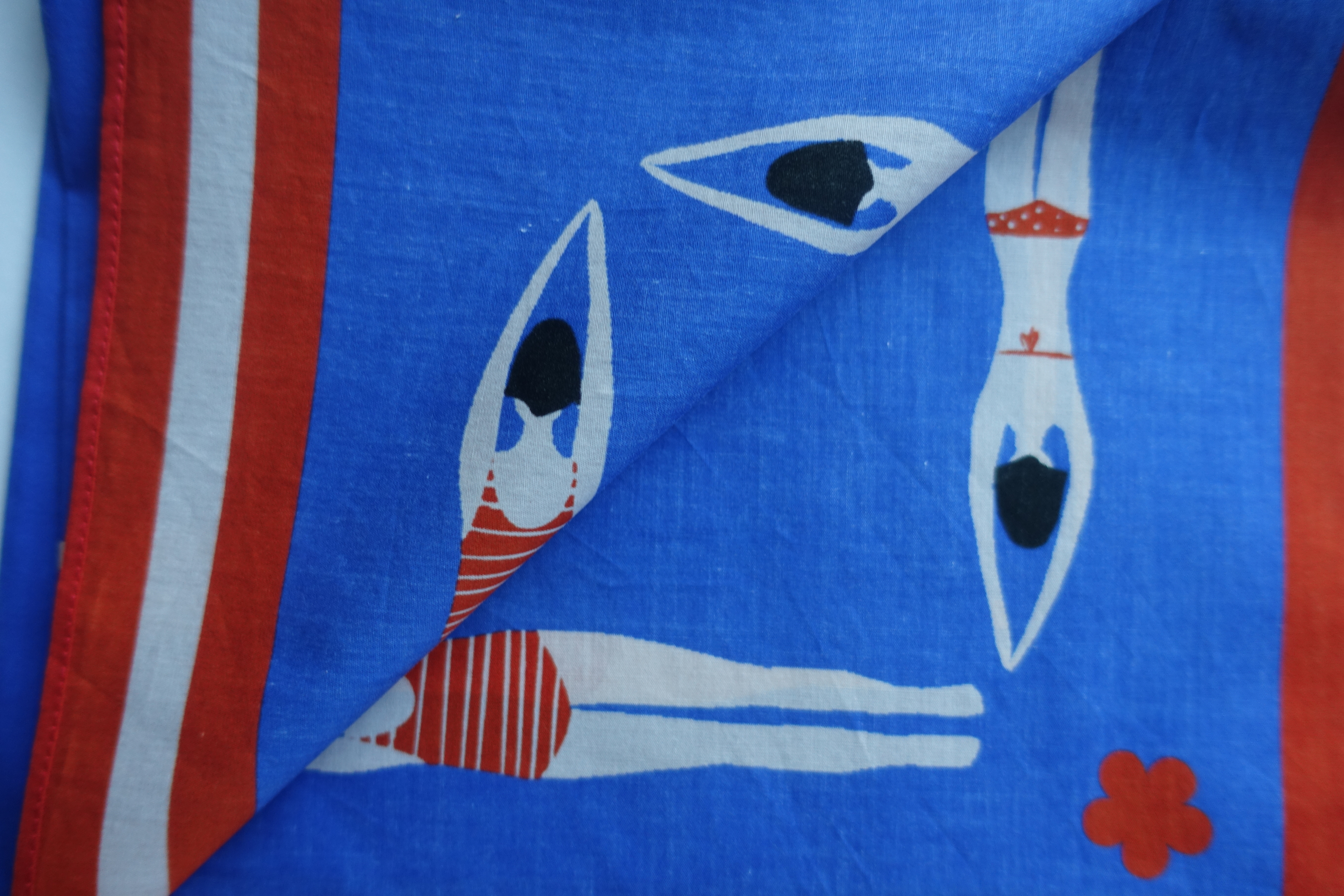
Cotton. Breathable and practical. Less delicate than silk, making it suitable for travel, beach wear, and very warm days.
Seasonality & Wear
Seasonality plays a role in scarf design, particularly in Northern Europe, where Legulie Designs was founded. Silk is often described as an all-season material, adapting to body temperature by cooling in summer and offering warmth in colder months.
Different materials naturally lend themselves to different moments. By working with silk, wool, blends, chiffon, and cotton, the Legulie collection is designed to be worn throughout the year, adapting to both climate and occasion.
Hemming & Finishing
The finishing of a scarf is an important detail that affects both appearance and durability. Hemming refers to how the edges of the scarf are treated.
Legulie scarves were initially finished with machine hemming, a clean and durable option. Over time, hand-rolled hems were introduced for their more refined, tactile quality and added structure. Hand-rolled hemming is now the default finish, with machine hemming still available upon request.
 Valeria Gulieva